If you read nothing else
- A 2-hour RIB ride from Flåm into the Nærøyfjord, from US$146, with a live English-speaking guide and a 4.91 rating from 129 reviews.[1]
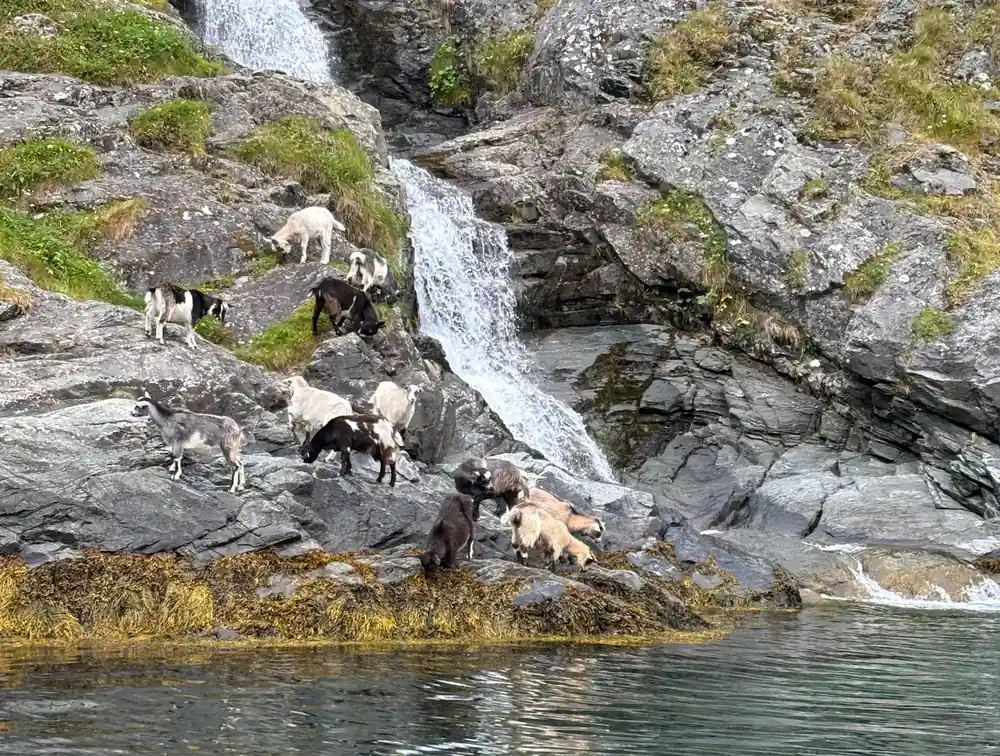
- Goats pick their way across rock beside small waterfalls on the fjord sides. Look for movement rather than shape, because a standing goat reads as a grey stone.
- Aurlandsfjorden and Nærøyfjorden are important habitats for harbor seals, often seen basking on rocks or popping their heads up out of the water.[2]
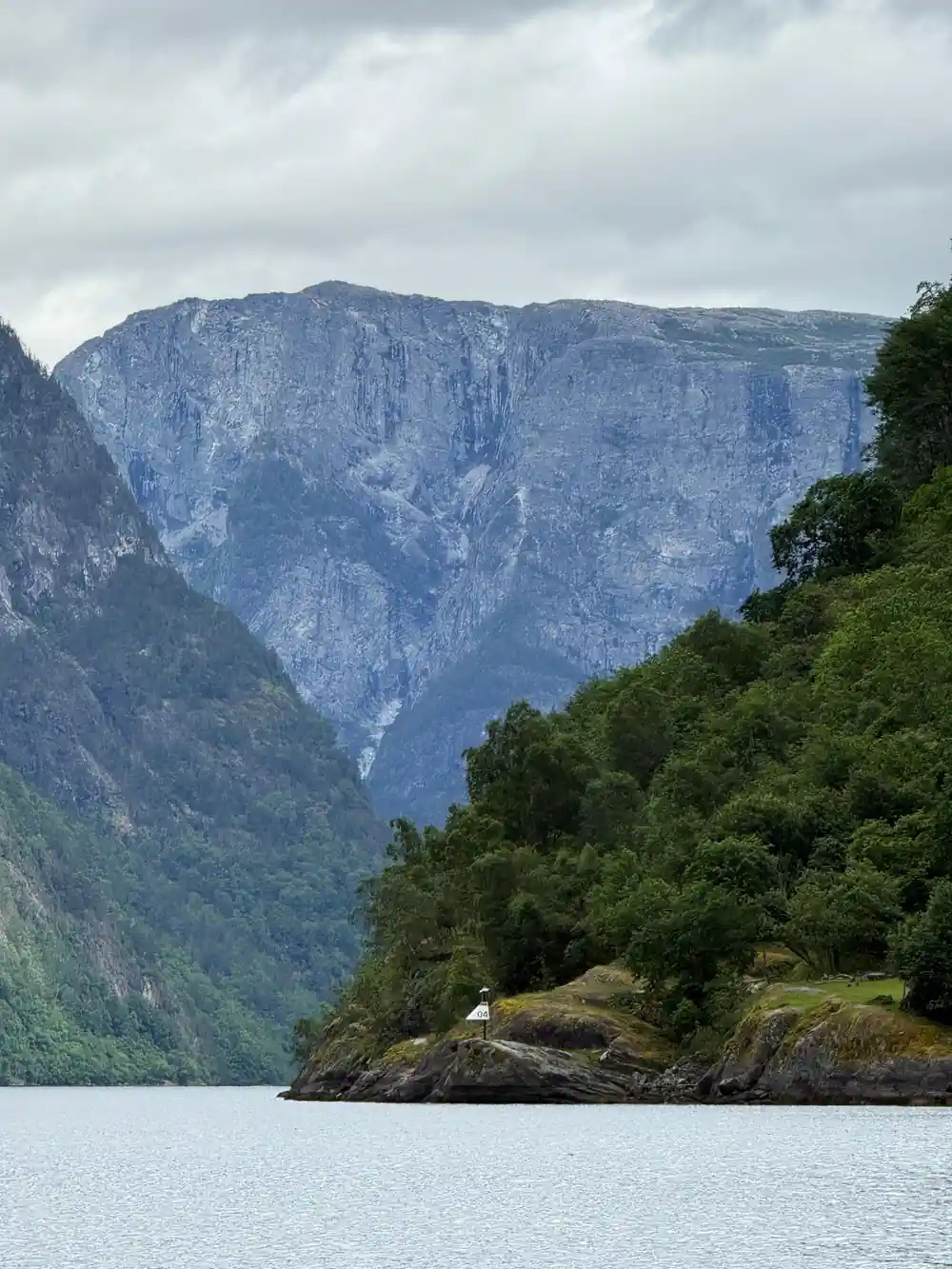
- The Nærøyfjord runs 20 km and is only 250 meters across at its narrowest, with mountain inclines rising 1800 metres above the water.[3][4]
- Reserve now and pay later, with free cancellation up to 24 hours in advance for a full refund, and check availability to see starting times.[1]
| RIB from Flåm | Fjord cruise | Guided kayak | |
|---|---|---|---|
| From | from US$146[1] | from US$62[5] | from US$179[6] |
| Duration | 2 hours[1] | 2 hours[5] | 6 hours[6] |
| Traveller rating | 4.91 from 129 reviews[1] | 4.49 from 83 reviews[5] | 4.85 from 12 reviews[6] |
| Group size | Not stated | Not stated | Limited to 8 participants[6] |
| Guide | Live tour guide: English[1] | Not stated | Instructor: English[6] |
| Cancellation | Cancel up to 24 hours in advance[1] | Cancel up to 24 hours in advance[5] | Cancel up to 24 hours in advance[6] |
Both Aurlandsfjorden and Nærøyfjorden are important habitats for harbor seals.
Is the RIB worth it for wildlife?
Things to check
On the water
- Layer up; open water feels colder than the village, even on a mild day.
- Sunglasses and a lens cloth help when the light bounces off the fjord.
- Keep watching the rock faces as well as the water; goats move fast and then stand still.
- Listen to the briefing at the pontoon and follow the skipper on board.
What lives in the Nærøyfjord
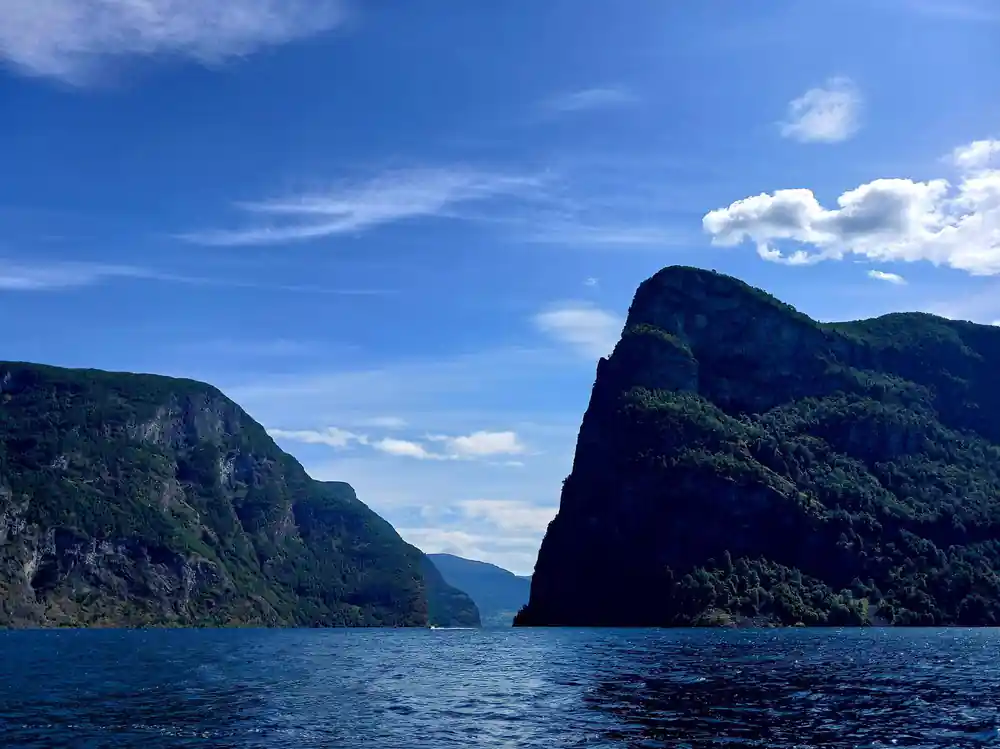
The Nærøyfjord is a narrow arm of the Sognefjord, and it is short by Norwegian standards. It runs 20 km from end to end and is only 250 meters across at its narrowest point.[3] Above the water, the steep mountain inclines ascend to 1800 metres.[4] The water is tight and the rock is high, and wildlife here often appears close and at eye level rather than as a speck in the distance. The West Norwegian Fjords, which include the Nærøyfjord, were first recognised as a UNESCO World Heritage Site in 2005.[7] The valley is so confined that sound carries, and a boat's wake reaches the shore within seconds of the boat that made it.
What you see from a RIB is rarely dramatic in the postcard sense. It is a seal's head breaking the surface, a goat on a ledge, a bird working a line of updraft along a cliff. You are moving through a working landscape as well as a protected one: farms on the flat ground, a village of about 90 inhabitants at Gudvangen, birds and animals going about their day regardless of the boat.[8] The skill is knowing where to look, and a guide who watches this water every day is worth more than any checklist. Early departures usually mean flatter water and fewer boats, while the middle of the day brings the best light onto the rock. On a grey day the cliffs look higher and the water darker.
Harbour seals, and where to look
Both Aurlandsfjorden and Nærøyfjorden are important habitats for harbor seals.[2] The harbor seal is the most common coastal seal here, and it is often seen in small groups basking on rocks or popping its round head up out of the water.[2] That second image is the one most people take home: a smooth dark head, a long look, then nothing but rings on the water. Seals haul out to rest and warm up, so an animal on a rock is usually doing very little, which makes it easy to watch and easy to photograph. They are not a guaranteed sighting, but the odds are good in these narrow channels where fish are pushed against the shore.
From a low RIB, a seal on a flat skerry sits almost at your eye level, which is a very different view from a big cruise deck. Scan the low rocks, the kelp edges and the mouths of the side valleys, where the water moves and fish gather. Seals are curious rather than shy, but they are also quick to slide off. Keep your voice down and your camera ready as the boat drifts in. If you spot one head, keep scanning the same stretch of water. Seals often surface in twos and threes, and a second animal will appear off to one side. The engine note drops when the skipper slows for a skerry, and that is your cue to look. A sighting is usually a matter of patience rather than luck, and the quietest water is often where they are.
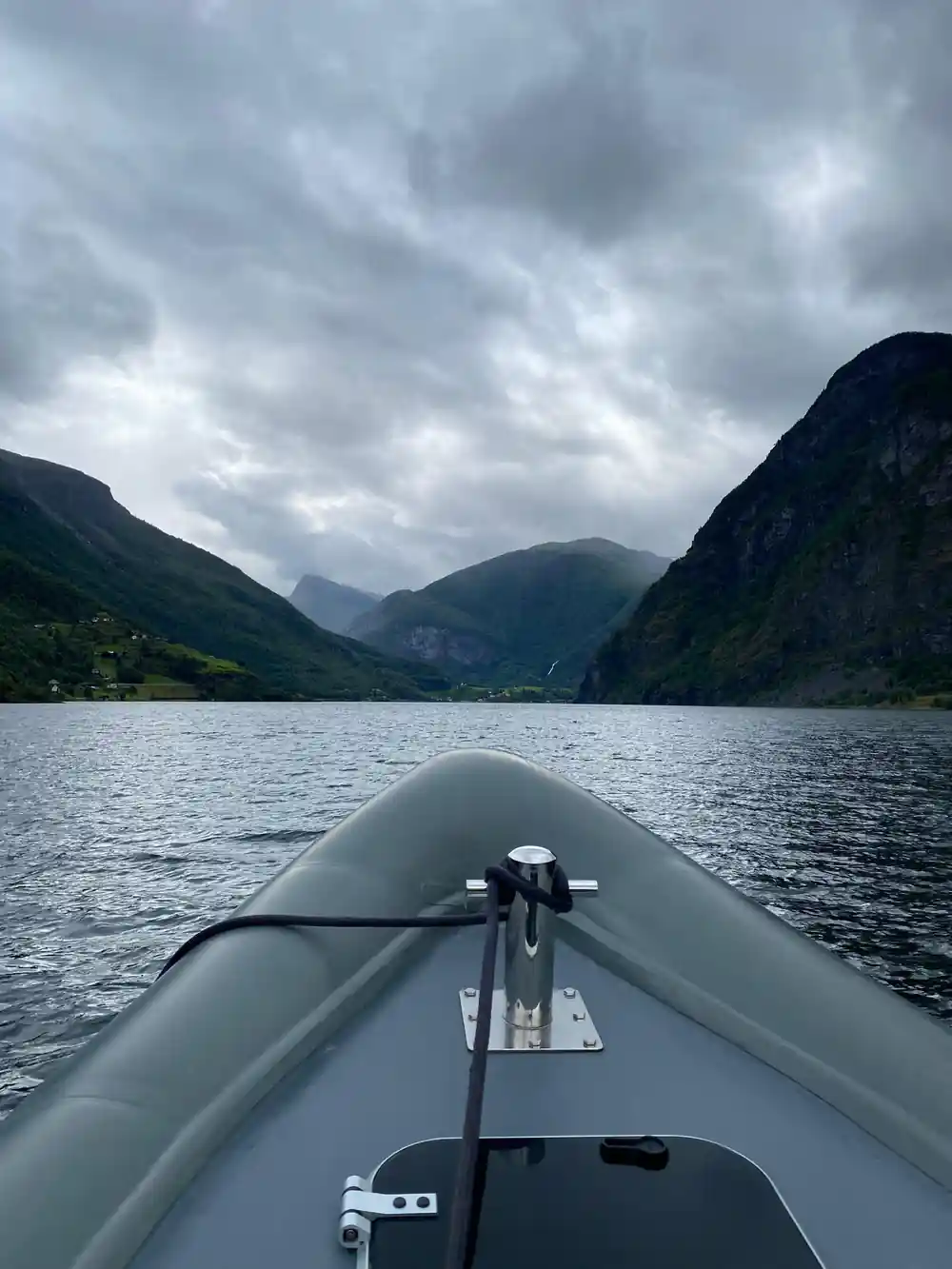
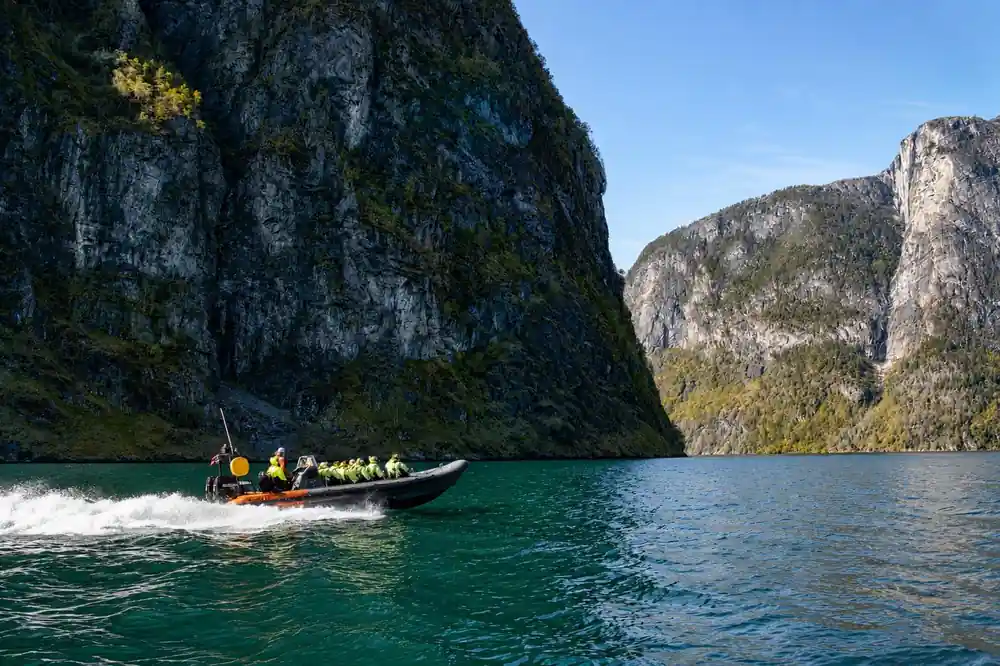
A small RIB dwarfed by the green walls of the Nærøyfjord
The goats on the fjord-side cliffs
Goats along the fjord are the surprise of the trip. They pick their way across rock that looks vertical from the water, often following a thin path beside a small waterfall, and they are frequently higher up than anyone expects. They are not a park exhibit. They belong to the farms and the grazing tradition of these valleys, and they treat a cliff ledge as ordinary ground. In spring you may see kids following the adults along the same narrow lines, and the whole group moves as if the drop below were nothing at all. Watch the green bands on the rock, the strips that catch the sun and grow grass; that is where the animals tend to be.
Look for movement rather than shape. A standing goat reads as a grey stone, and these walls hold a great many grey stones. Binoculars help, but the real advantage of a small boat is closeness: there is no need to zoom when the RIB noses in beside a fall. If you are photographing, set a fast shutter speed before the skipper turns. The moment does not last. A dull overcast day is often better for this than hard sun, which flattens the rock into a single bright tone. Ask your guide which side of the boat to watch as the walls open up, and swap sides if the light is wrong. A quiet boat and a slow approach are what keep a goat on its ledge rather than sending it up the wall.
White-tailed eagles and the birds above
The white-tailed eagle is the bird people hope for. The fjord walls give it the kind of updraft it likes, so you will often see it as a shape crossing high above the water with its wings held flat, working along a ridge rather than flapping. Gulls, cormorants and waders fill in the foreground, and the wash of a fast boat lifts birds off the shoreline ahead of you. An eagle at distance is easy to mistake for a gull, so watch for the long, level wings and the slow, deliberate flight. Raptors here tend to hunt along the shoreline rather than over open water, so keep half your attention on the line where rock meets fjord.
Birds are the easiest wildlife to count on, since they cannot hide. A slow pass along the base of a cliff brings nesting ledges and birds working the tide line into range. Keep one hand free and watch where your skipper points. Guides read the water, the light and the wind, and the best sightings usually come from noticing a small movement early rather than from scanning a wide horizon. A pair of compact binoculars stored in a dry bag is the single most useful thing you can carry. If a bird takes off as you approach, that is usually the closest view you will get, so be ready before the boat reaches it. Binoculars are worth bringing, but the boat itself does much of the work.
from US$146
The Nærøyfjord RIB-boat experience from Flåm runs 2 hours with an English-speaking guide and holds a 4.91 rating from 129 reviews.[1]
Rock, waterfalls and how the fjord was made
A fjord is formed when a glacier retreats after carving its typical U-shaped valley, and the sea fills the resulting valley floor.[9] That single sentence explains the Nærøyfjord: ice, then water, then the very steep sides that make wildlife watching so close-up today. Above the water, the steep mountain inclines ascend to 1800 metres high.[4] Standing on the water, you can read the shape of the valley in the rock: smoothed lower slopes, sheer upper faces, and great slabs where the ice once dragged over them. Ice left these valleys deeper and wider than a river alone could, and the floor drops away quickly from the shore.
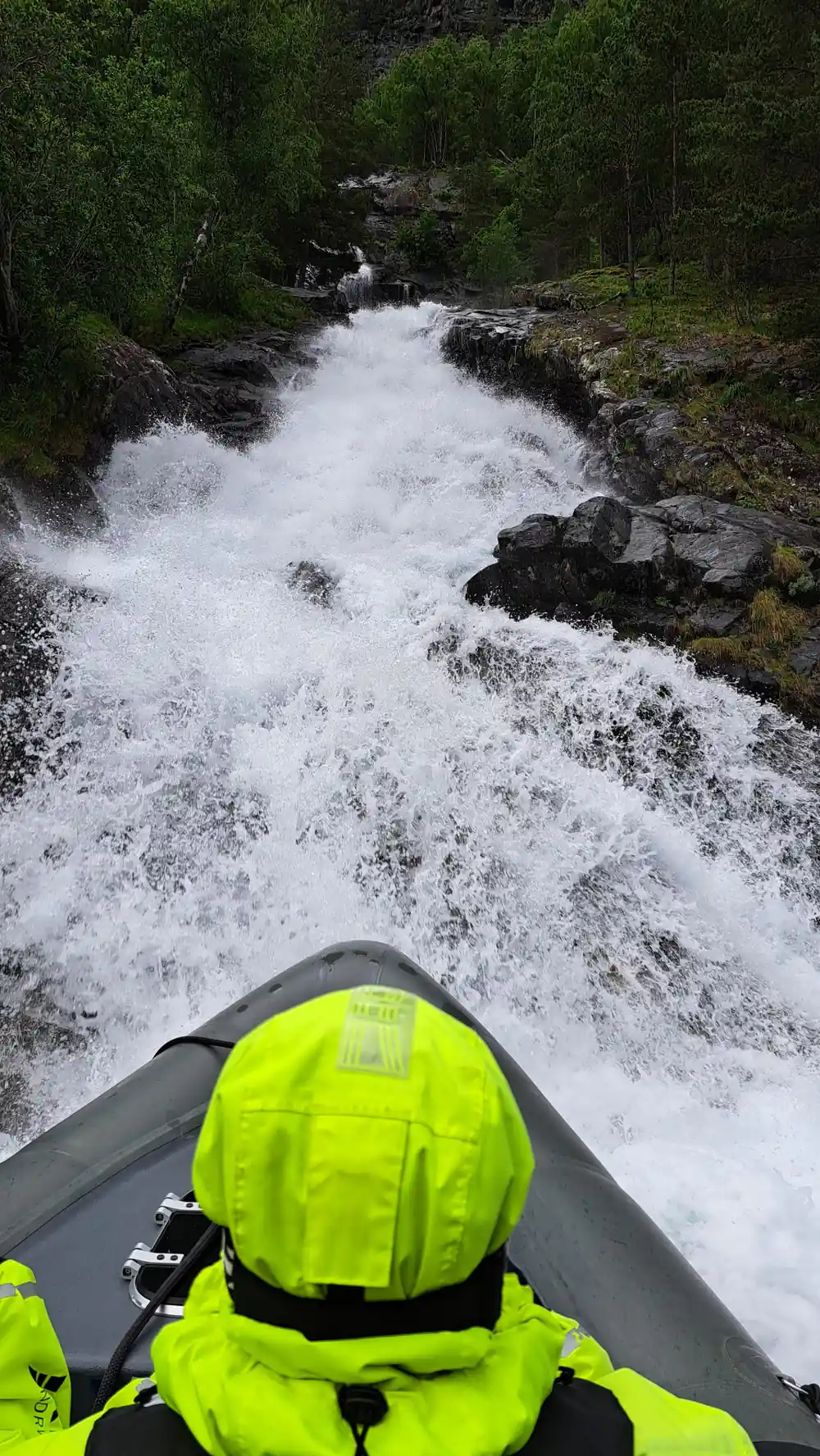
Waterfalls run down those walls all year, fed by snowmelt and rain. Kjelfossen, at the head of the Nærøyfjord, has a free fall of 150 metres and a total drop of 840 metres.[10] A RIB can nose in close enough to feel the spray and see the wet rock behind the white water, and that wet rock is goat country. Beyond the mouth of the fjord the Sognefjord reaches further down, with its deepest part at 1300 meters.[11] In late spring the falls are at their loudest with meltwater, while a dry spell in summer thins them to a thread. Spray from a fall is worth protecting your lens from, and a microfibre cloth in a pocket earns its place.
Why the boat changes what you see
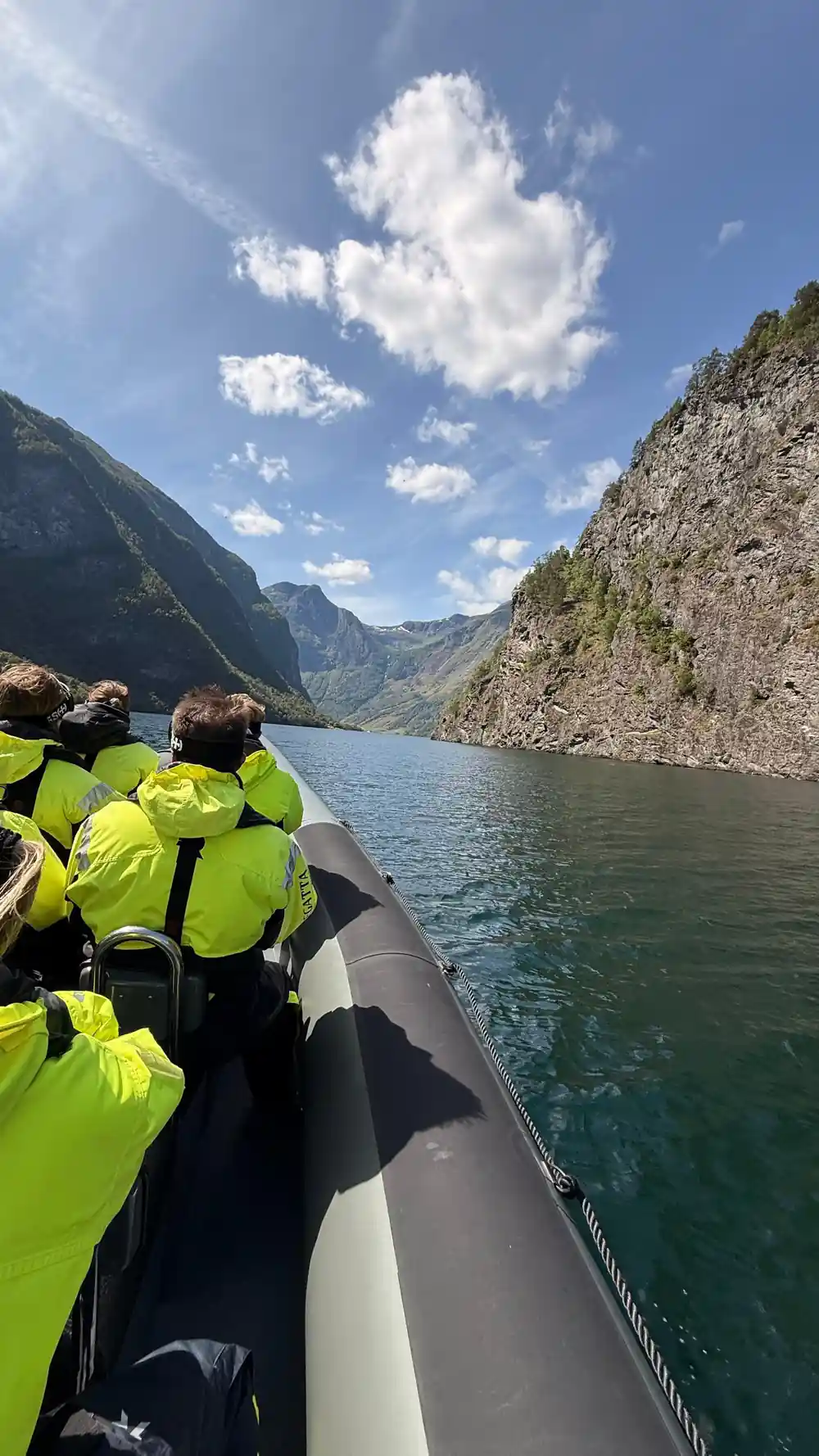
There are two versions of this fjord. One is seen from a deck a few metres above the water, moving slowly. The other is seen from a small RIB at water level, covering the distance quickly and getting close to rock and waterfall. The second is what brings seals, goats and birds into range. The trade-off is exposure: you are out in the weather, and you feel the cold and the spray. Sit towards the middle of the boat if you would rather stay drier. On the RIB there is less shelter and more sensation, and the cold arrives from the water rather than from the air. Warm gloves and a hat make a bigger difference than a heavy coat.
The Flåm to Gudvangen cruise takes approximately two hours and runs on the all-electric vessel Future of The Fjords.[12][13] It is quieter and drier, and you can stand outside with a coffee. If your priority is animals at close range and photographs to prove it, the smaller boat is the better tool. If your priority is a calm couple of hours with the family, the cruise is the easier day. Many people do both across two days and find the two trips feel nothing alike. Booking both is easy in Flåm, where the pier and the railway platform are a couple of minutes apart.
The honest odds, and planning the day
No one can promise a seal, a goat and an eagle in the same hour. Seals are the animals these fjords officially support: both Aurlandsfjorden and Nærøyfjorden are important habitats for them, and birds are everywhere along the walls.[2] Goats are farm animals doing their own thing on a big cliff, and eagles are a bonus rather than a plan. Weather matters more than luck: in Flåm's climate table monthly rainfall runs from 22 mm at the low end to 84 mm at the high end.[14] Dull, damp days are not wasted days here; low cloud softens the cliffs and often keeps the water glassy. Go with an open mind and you will notice far more than you expected.
Book the RIB for a slot in the middle of your time in Flåm and keep the rest of the day loose. The tour runs 2 hours, from US$146, with a live English-speaking guide, and you can reserve now and pay later, with free cancellation up to 24 hours in advance for a full refund.[1] If you are also riding the Flåm Railway, it climbs from 2 metres to 867 metres above sea level at a 5% gradient, so it fills a good part of a day on its own.[15] Whichever order you choose, leave one weather-dependent slot free for the water. Fjord weather changes fast, and the forecast you check at breakfast may not describe the afternoon.
Keep your booking confirmation on your phone and check the meeting point the evening before. Bring a dry bag for a camera, and a thin pair of gloves, which take up little space and make a fast open boat far more comfortable.
Average monthly rainfall in Flåm
Monthly average rainfall for Flåm in millimetres, from the climate table for January to December.[14]
Fjord days from Flåm, from prices
All amounts are GetYourGuide from-prices for the listings cited here:[1][5][6][16]
When to go for wildlife and weather
How the RIB trip runs
Book your slot
Pick a start time that fits your day: check availability to see starting times, then reserve now and pay later.[1]
Meet at the Flåm waterfront
Flåm is compact. The harbour, the railway station and the RIB pontoon all sit within a short walk of each other.
Get briefed and kitted
You meet the skipper at the pontoon, hear the safety briefing and get the outer kit for the ride. Layers underneath are your own job.
Run out into the fjord
The boat crosses the wide Aurlandsfjord and enters the Nærøyfjord, where the walls close in to 250 meters apart at the tightest point.[3]
Watch rock and water
Seals, goats, waterfalls and birds come in that order for many people. Keep your eyes on the rock faces as well as out on the water.
Ready to see the Nærøyfjord from the water?
from US$422Reserve now & pay later